Soil Stabilization for Heavy Industrial Roads & Sites
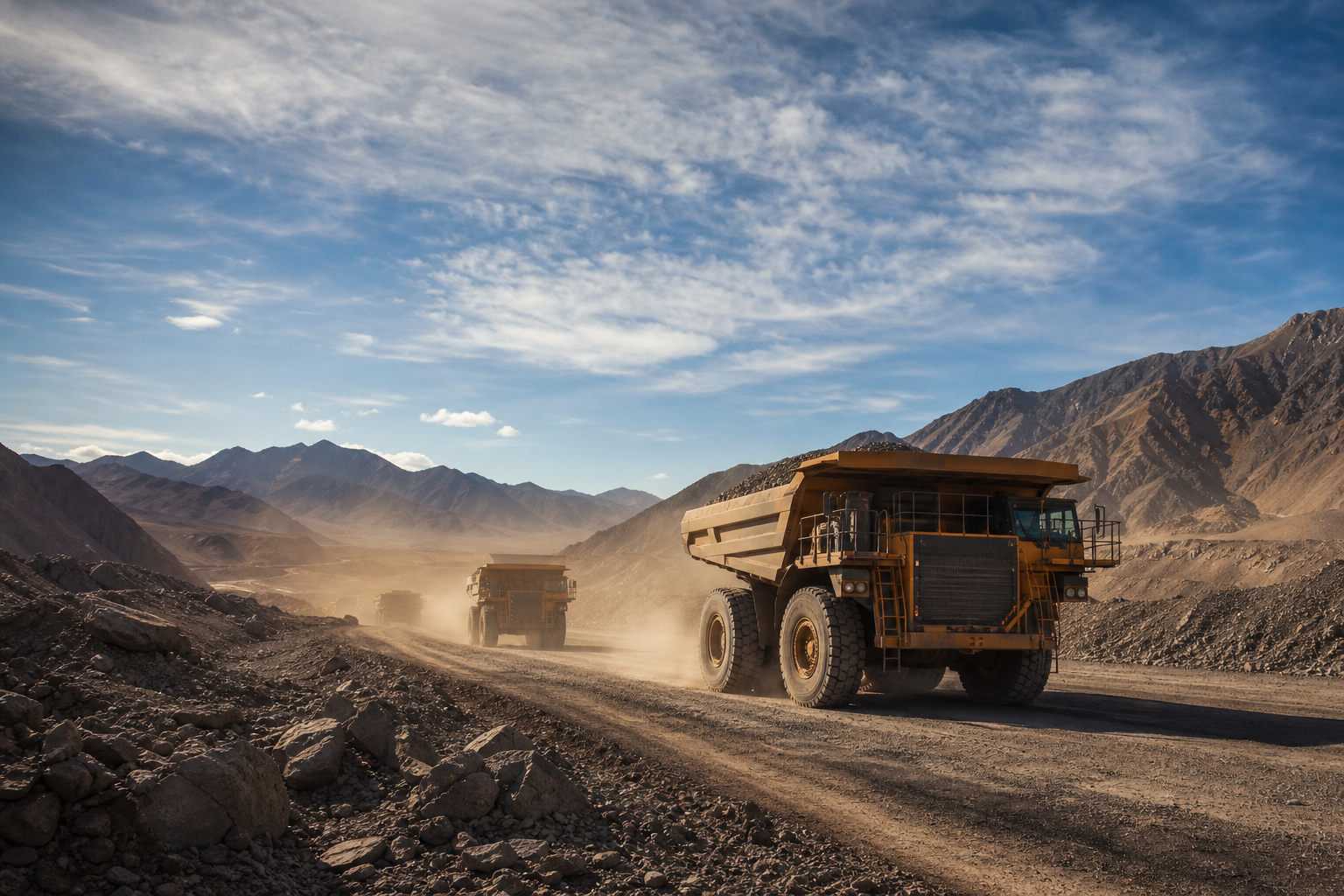
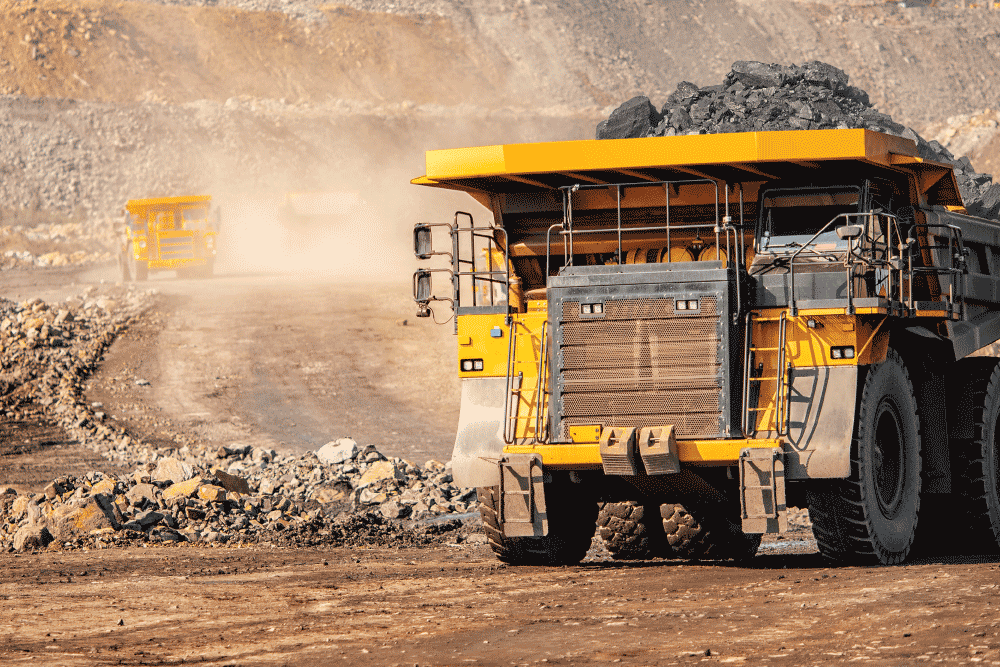
Reduce recurring road maintenance, dust-control demands, and disruptions on haul roads, access roads, pads, and other heavy-traffic industrial surfaces.
Does Perma-Zyme Work for Heavy Industrial Roads and Sites?
Yes; Perma-Zyme controls dust, helps avoid operation delays, and reduces maintenance costs and resources for heavy industrial sites. Overall performance will depend on soil type, correct application procedures, and climate conditions.
Common issues for heavy industrial roads and sites include:
Dust & Water Demand
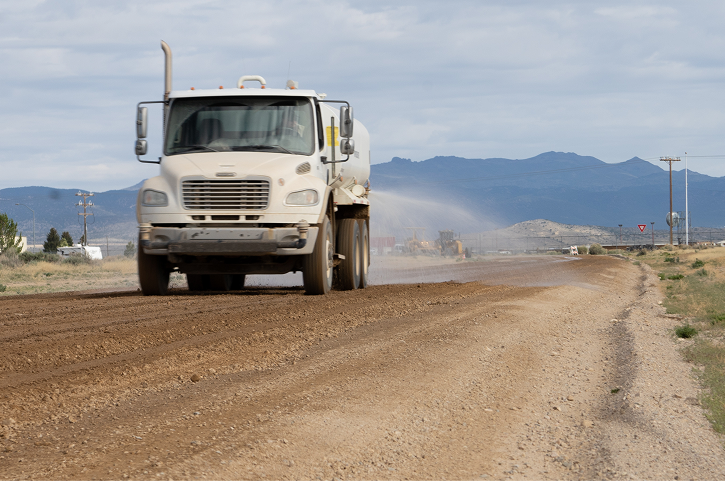
To help control extensive dust and rough road conditions, many sites rely on heavy water use.
Equipment Wear
Poor road surfaces accelerate frame fatigue, suspension breakdown, and premature tire blowouts on heavy fleets.
Lost Productivity
Conditions of roads can lead to a slowdown in operations across the site.
Road Degradation
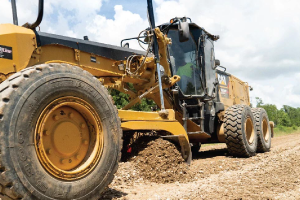
Maintenance costs can skyrocket with constant grading, dust control, washboarding, and other problems.
When To Choose Perma-Zyme
There are many methods of soil stabilization for heavy haul roads and access roads. While there are pros and cons for each method, using an enzyme stabilizer like Perma-Zyme can offer several advantages, including:
Keep Haul Roads Operational
Reduce Dust-Control Demand
Stabilize the road to reduce dust, reliance on frequent watering, the need for topical dust suppressants.
Reduce Road Maintenance
Protect Fleet Resources
Perma-Zyme Uses For Heavy Industries
-
Primary Haul Roads -
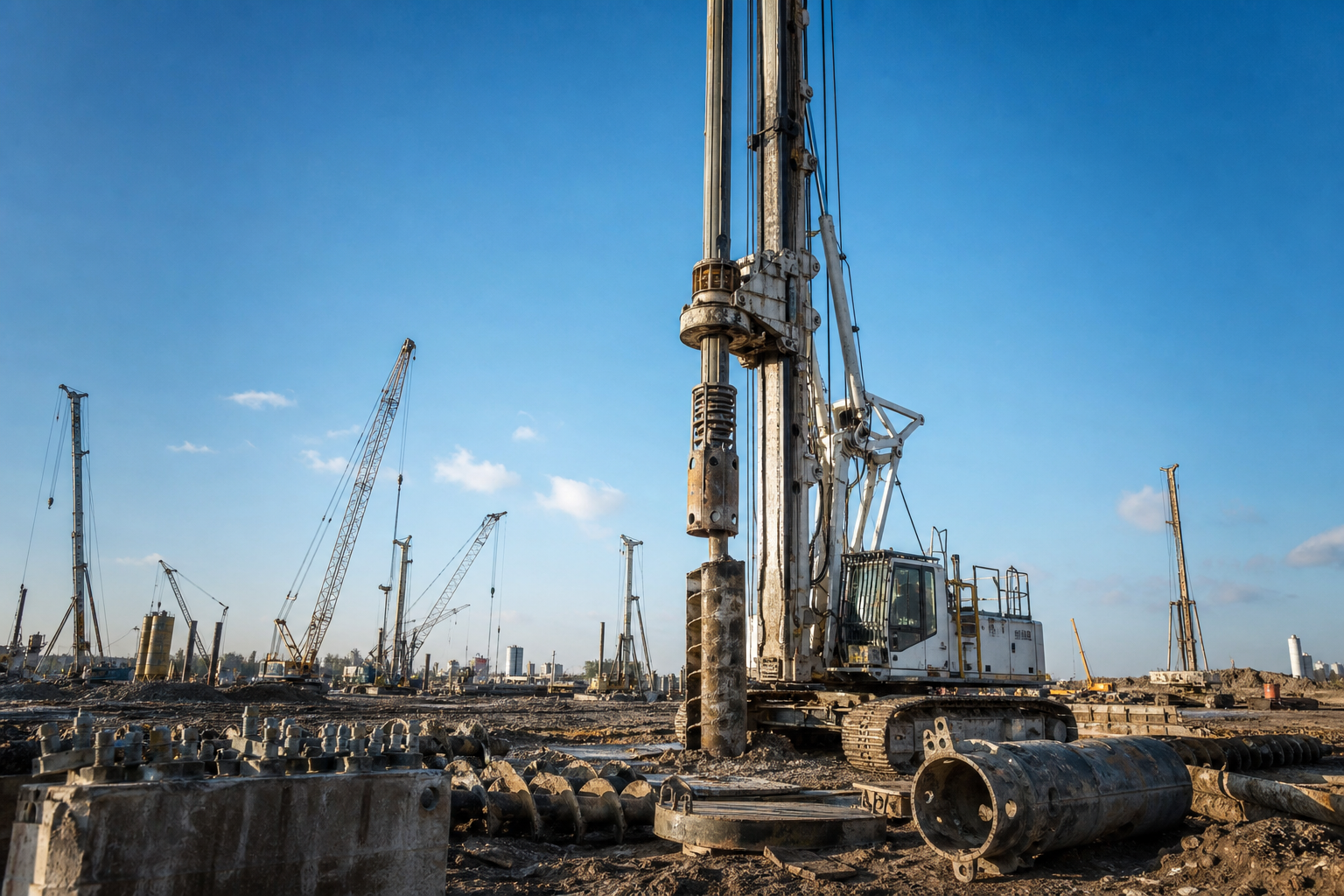
Heavy Equipment Drill Pads -
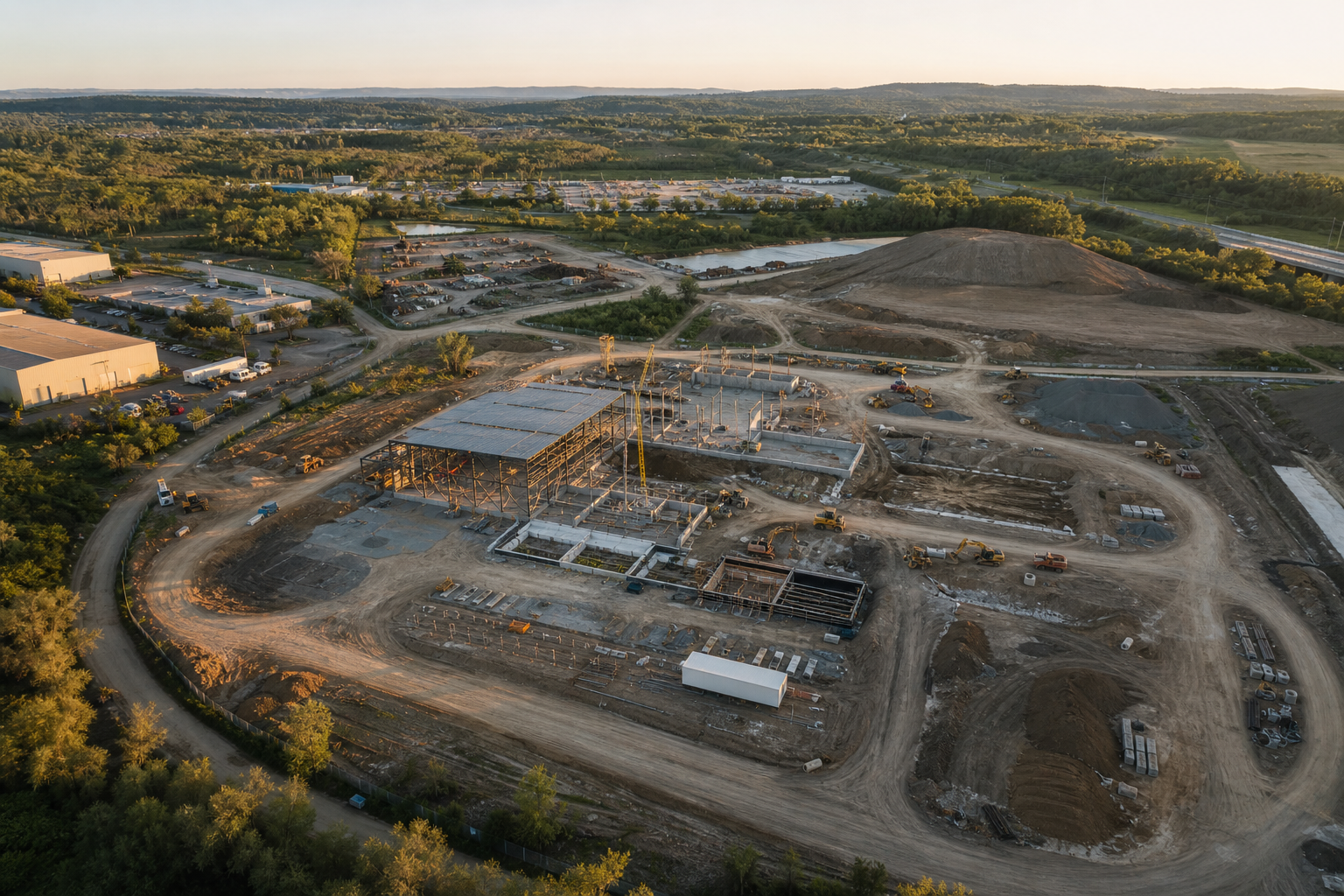
Site Access & Service Roads -
Unpaved Solar Access Roads -
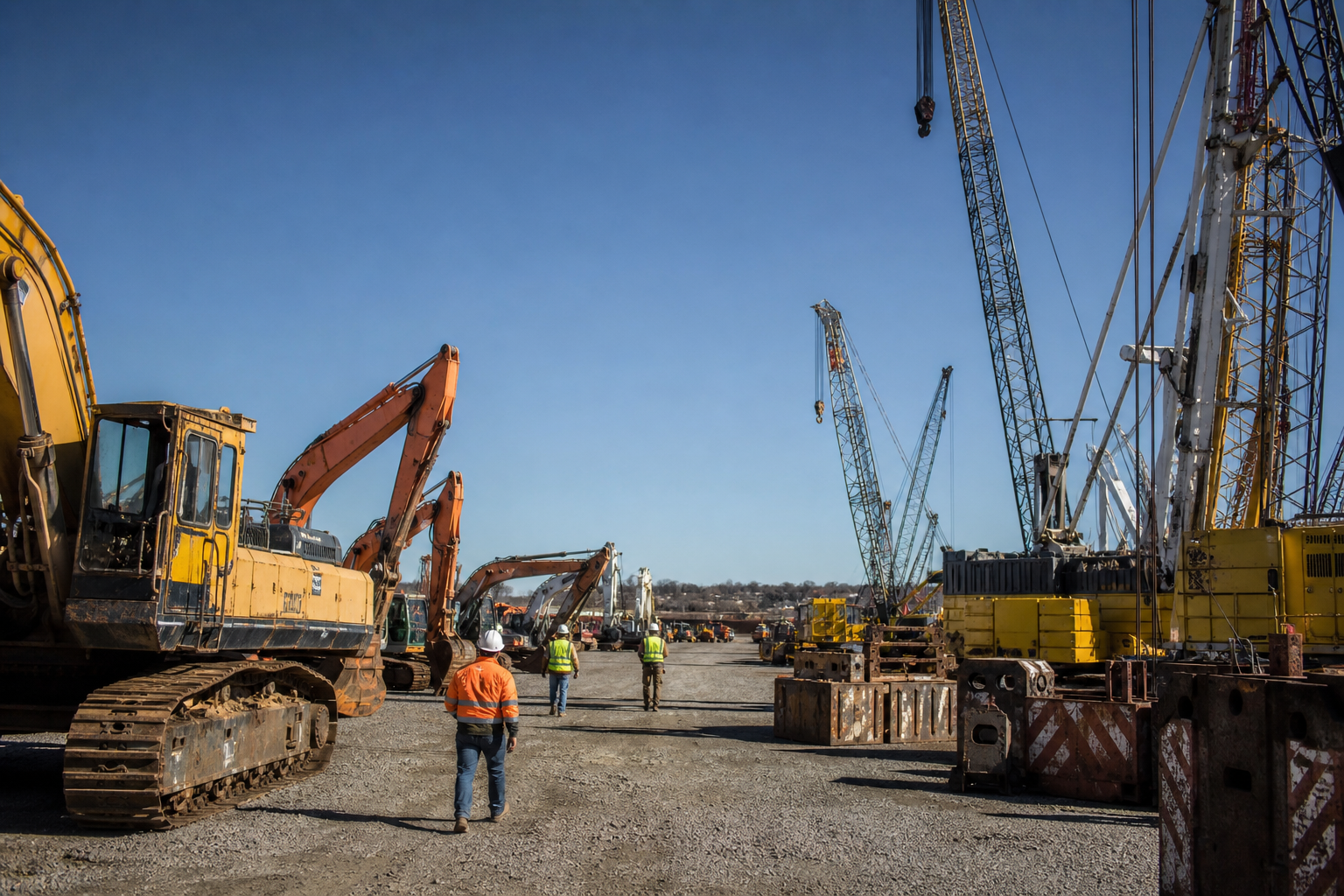
Heavy Equipment Laydown Yards -
High Dust Work Zones
A Different Approach to Industrial Road Maintenance
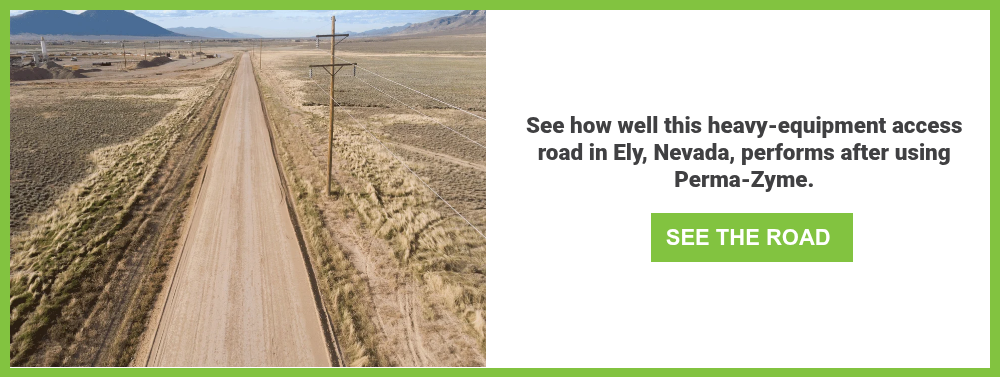
Perma-Zyme works with native soils to improve strength, reduce erosion, and control dust. It can be used for both unpaved and paved roads to strengthen the subbase and cut down on maintenance requirements.
More reasons to choose Perma-Zyme:
- 1 gallon treats 160 cubic yards of soil
- Eco-friendly
- Durable even under heavy traffic and extreme weather conditions
- Reduced recurring maintenance
- Lower lifetime operational costs
- Non-corrosive