What Is Soil Stabilization?

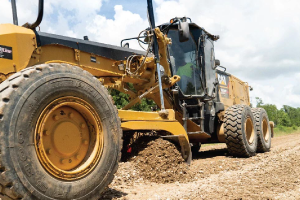
Soil stabilization is the process of altering soil’s physical or chemical properties to limit shifting, structural damage, slope failure, rutting, and settling. It is essential for building construction, road construction, and erosion control.

COMPARE STABILIZATION METHODS

Why Is Soil Stabilization Necessary?

Soil stabilization is used when native or existing material does not perform reliably enough for the intended project. Unstable soil can be hazardous to any project, and stabilization improves the soil's behavior to better support traffic, structures, or long-term site performance.

Common issues from unstable soil include:

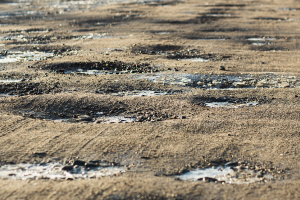
Weak Subgrades
Weak Subgrades

Soft or low-bearing soils can cause structural failure on roadways and foundations.

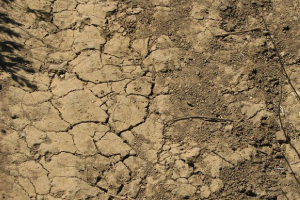
Expansive Soil
Expansive Soils

Swelling and shrinkage can cause damage through rutting, settling, and other shifts.

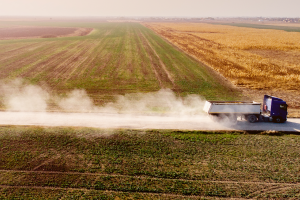
Truck kicking up dust driving down a road
Dust & Erosion

Recurring losses of fines through wind, water, and usage can cause soil drift and dust issues.

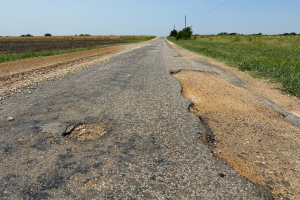
Potholes on a road
Recurring Maintenance

Weak or unstable material can lead to repeated grading, repairs, material replacement, and maintenance costs.

Stabilized Soil Provides Many Benefits

Increase Strength_2-1
Increase Strength

Improve load-bearing performance and reduce deformation.

Improve Durability_2
Improve Durability

Create a reliable foundation for repeated use and most climates.

Moisture Control
Control Moisture

Limit water infiltration and help prevent softening.

Reduce Maintenance
Reduce Maintenance

Minimize maintenance costs and extend the life of the road.
How Soil Type Affects Stabilization

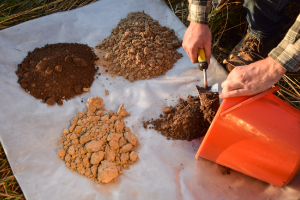
Soils are classified based on how they behave under load and moisture. Before selecting a stabilization method, the material should be evaluated for gradation, plasticity, moisture behavior, and the proportion of coarse and fine particles. By knowing what type of soil your project includes, you can ensure a successful outcome with the stabilization method you choose.

Here are the basics:

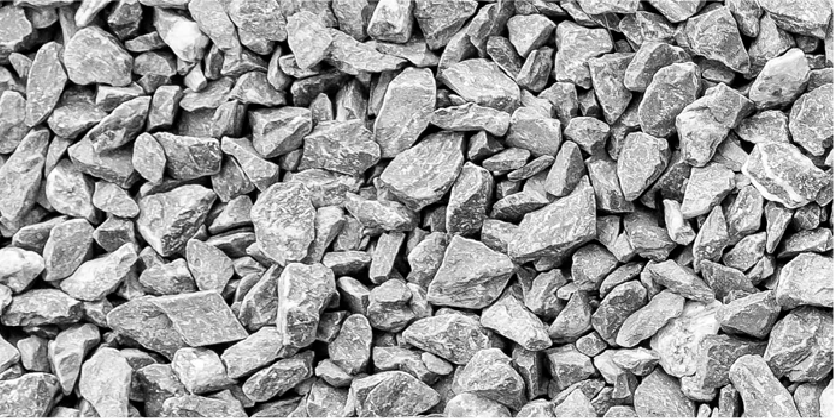
Gravel Image
Gravel & Coarse Material
  • High strength & load-bearing

  • Excellent drainage

  • Generally easy to stabilize

  • Good for traction and as a binder in concrete

Sand Image
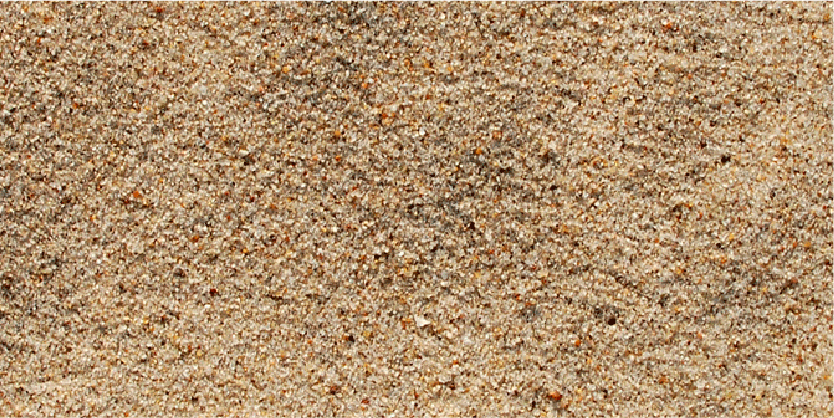
Sand
  • Low cohesion

  • Prone to erosion

  • May require binding

  • Benefits compaction when mixed with other soil types

Silt
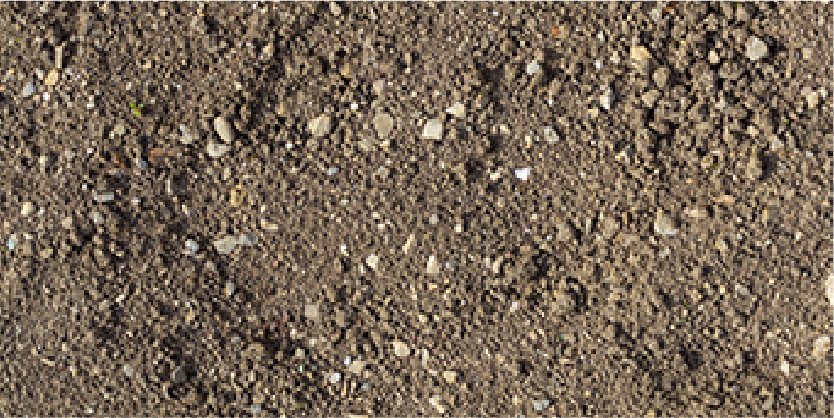
Silt
  • Low plasticity

  • Moderately compressible

  • Sensitive to water

  • Challenging for construction due to size and density

Clay 2 Header
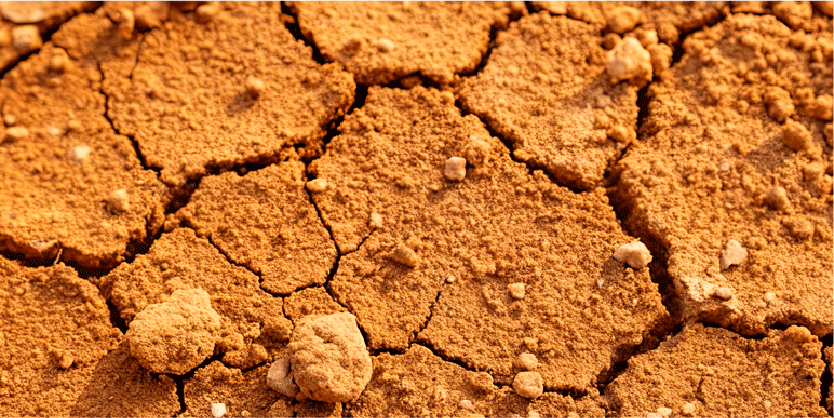
Clay
  • High plasticity

  • Holds water

  • Expands and shrinks significantly

  • Constantly changes shape and causes shifting

Silt 2 Header
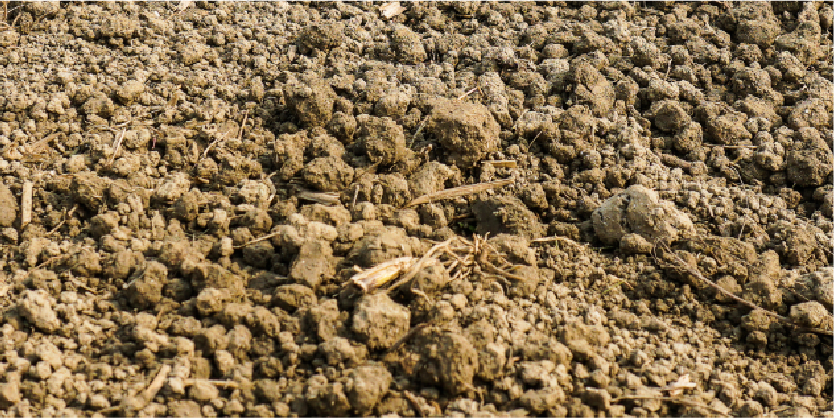
Mixed & Loamy Soils
  • Mix of sand, silt, and clay with dominant type dictating behavior

  • Moderate strength

  • Generally workable

Determining Soil Type

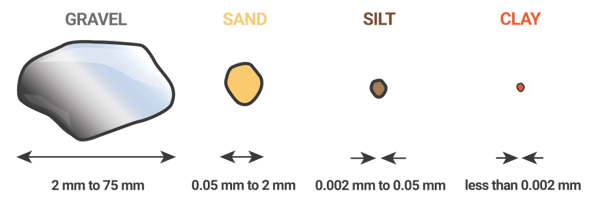
While testing is really the only true way to know the makeup of your soil, size can be an indicator of soil type. The largest soil particle belongs to sand, while clay soil has the smallest particle size. Check out the size comparisons on this graphic.

Soil Particle Size Graphic

Explore the characteristics of clay soil and how it affects road construction.

READ OUR CLAY 101 BLOG

What Are Common Soil Stabilization Methods?

Soil stabilization can be achieved through a variety of mechanical, chemical, biological, and structural approaches. Popular options include enzyme, lime, cement, and mechanical, but there are many more. Each option has advantages depending on the intended project profile.

Method Best suited for Advantages Considerations
 
Enzyme stabilization
(Perma-Zyme)

Compatible native blended soils (especially clay).

Eco-friendly, up to 4.5x higher CBR rating than untreated roads, resists ruts and frost heaving, and requires minimal maintenance.

Needs a 72-hour rain-free cure and soil amendments if the existing soil isn't compatible.


Lime

Certain clay highly plastic soils.

Chemically neutralizes swelling, shrinking, and shifting in clay-heavy soils and dries out wet subgrade.

Amounts should be set by a geotechnical firm, and application carries significant health concerns.


Cement

Structural applications requiring significant strength improvement.

Works for most soil types and, once set, provides strong, long-term support.

Is vulnerable to temperature, moisture, and mixing errors, and takes about 28 days to cure fully.


Mechanical

Projects where improved gradation, density, or replacement material can solve the problem.

Eliminates voids and increases density without chemical additives, boosting the effectiveness of other treatments.

Rarely 100% effective alone and works best when paired with another stabilization method.

Before deciding on a stabilization method, you should understand the optimal uses for each as well as requirements for best results when using them.

EXPLORE ALL SOIL STABILIZATION METHODS

What Is The Best Soil Stabilizer?

There is no single stabilization method that is best for every site. Selection should account for the material, project requirements, environment, and desired performance. 

Consider the type of soil you're working with, what your goals are, how climate will affect your project, any regulations that need to be followed, and your overall budget as these can all impact the soil stabilizer you ultimately choose.

Considerations include: 

Soil Properties Bullet

Soil Properties

Classification, gradation, plasticity, moisture behavior, and compatibility.

Project Profile Bullet
Project & Application

Road type, traffic load, construction method, and structural requirements.

Climate Bullet
Moisture & Climate

Seasonal moisture, freeze-thaw conditions, drainage, and site exposure.

Longevity Bullet

Longevity & Performance

Desired service life, performance expectations, and acceptable maintenance.

Environmental Bullet
Environmental Concerns

Regulations, site conditions, and potential environmental impacts.

Budget Bullet
Budget

Upfront cost, imported material, equipment requirements, and long-term maintenance.
Is Perma-Zyme Right For Your Project?

Perma-Zyme is an enzyme soil stabilization solution that works with native soils to improve strength, reduce erosion, and control dust.

Perma-Zyme may be a good fit if you're looking for:

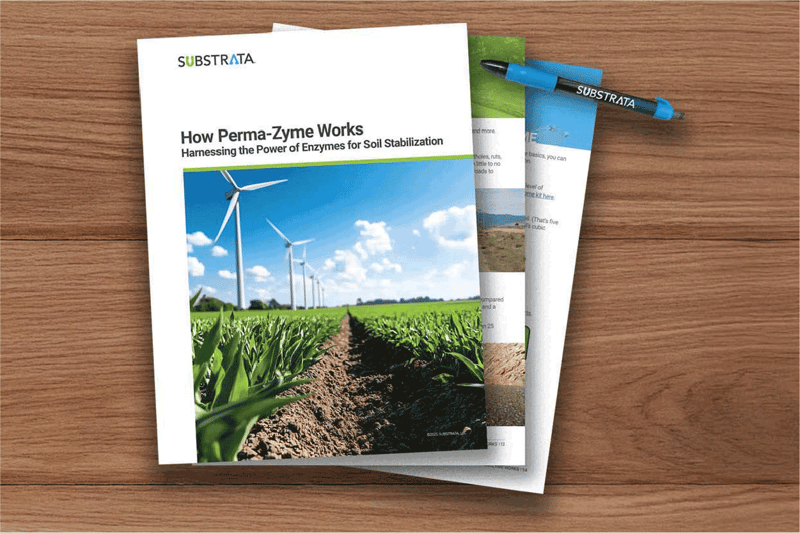
Image of Whitepaper and Pen
  • An eco-friendly solution

  • Lower lifetime operational costs

  • Proven performance over decades

  • Compatibility with native soils, especially clayey soils

  • Significantly reduced lifetime maintenance needs

  • Durability under heavy traffic and extreme weather conditions

Learn More About Soil Stabilization

How to Build Low Maintenance Roads on Clay Soil Image
How to Build Low Maintenance Roads on Clay Soil
READ THE BLOG
Soil Classifications and How to Use Them Image
Soil Classifications and How to Use Them
READ THE BLOG
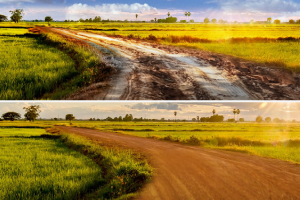
Perma-Zyme before and after photos

Permazyme_V02_Tagline_1


LEARN MORE

Talk With A Soil Stabilization Expert

Not sure which approach fits your road or site? Our team can review your project and help determine whether Perma-Zyme is the right fit for you.

CONTACT US