Key Findings from Iowa State’s Gravel Road Rehabilitation Research

Read this overview of Iowa State University’s findings on aggressive gravel road rehabilitation and Perma-Zyme soil stabilization performance through freeze-thaw conditions.

GET THE FULL REPORT_Button Green


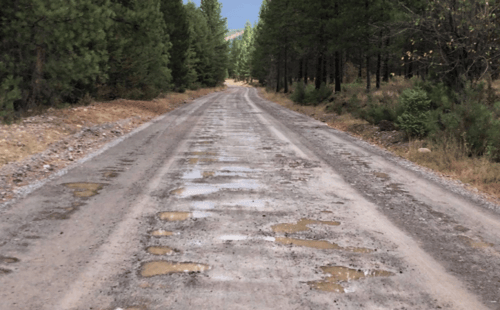
Deteriorated rural road

1. Why Gravel Roads Continue to Deteriorate

Over time, traffic, weather, and repeated maintenance cycles can flatten road crowns, widen roadways, reduce drainage effectiveness, and accelerate surface failure. According to Iowa State researchers, these conditions increase maintenance demands and long-term costs.

2. What Iowa State Studied

The study evaluated aggressive rehabilitation methods on heavily deteriorated gravel roads, including:

  • Restoring proper road width and crown

  • Rebuilding drainage profiles

  • Different compaction methods

  • Perma-Zyme's performance over two freeze-thaw cycles

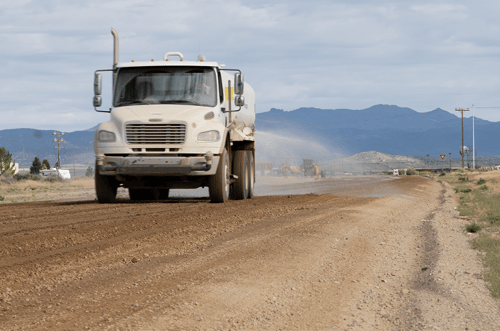
Perma-Zyme being sprayed onto subgrade with a water truck

Key Findings-1

3. Key Results Showing the Performance of Perma-Zyme Treated Roads:

Waterdrop-1

Improved drainage and road performance 

Shield with Checkmark-1

Increased strength and hardness values

Roadway-1

Less visible surface deterioration

Snowflake-1

Consistent performance through freeze-thaw conditions and heavy loading

Gear-1

Proper road shape and drainage played a major role in long-term performance
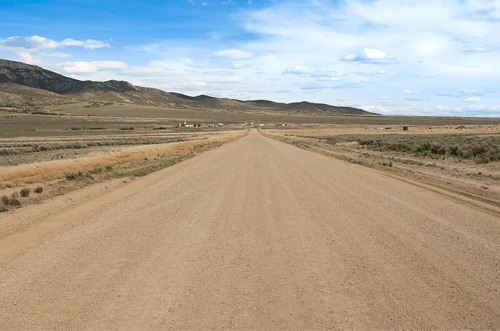
 

Rehabilitated Perma-Zyme treated road

4. Why This Matters for Counties

The research reinforces the importance of restoring proper drainage, maintaining road shape, and implementing long-term stabilization strategies with Perma-Zyme instead of relying solely on repeated grading cycles.

The study also showed that Perma-Zyme can be applied using equipment commonly available to county road departments.

Want the Full Iowa State Report?

Download the complete research report to review the methodology, field testing, freeze-thaw performance data, and engineering findings.


Get The Full Report

Return to top