Gravel Road Rehabilitation: Results of a Two-Year Iowa State Research Study

See how aggressive rehabilitation and enzyme stabilization performed through heavy vehicle traffic and two freeze-thaw cycles, including surface CBR values up to 4.5x higher than corresponding untreated sections.

DOWNLOAD THE KEY FINDINGS_Button Green


Evaluating Unpaved Road Stabilization


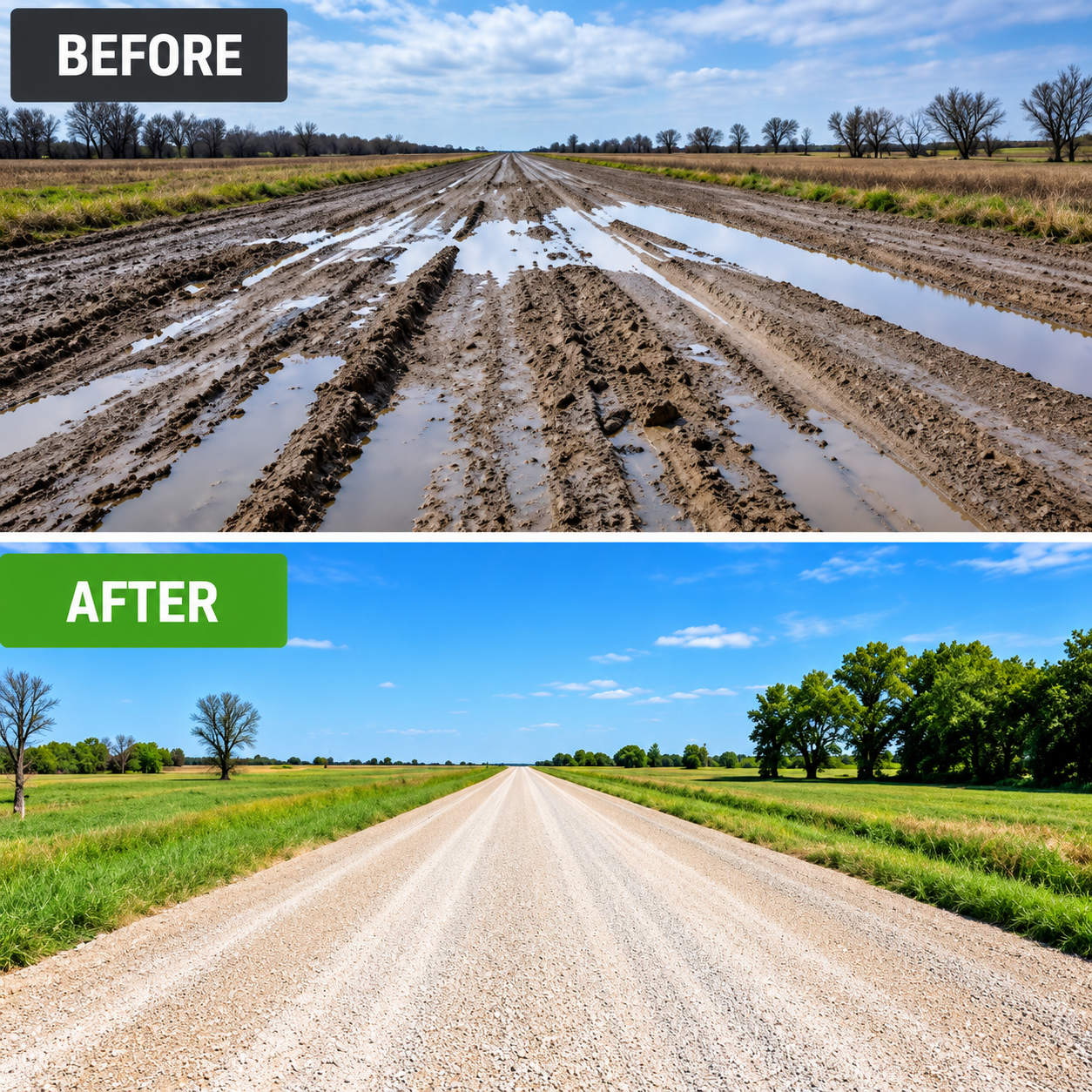
ISU Before & After

Unpaved road management is an uphill battle. Over time, traffic and harsh weather flatten road crowns, widen roadbeds, and push expensive aggregate straight into side ditches.

To evaluate the long-term impact of enzyme stabilization on aggressively rehabilitated roads, researchers at the Institute for Transportation at Iowa State University (ISU) conducted a rigorous, two-year field and laboratory evaluation.

Results showed measurable benefits from enzyme stabilization using Perma-Zyme. The study found higher surface strength, measurable stiffness benefits, and less deterioration compared with untreated sections, while also reinforcing the importance of restoring proper road geometry and drainage.

Key Findings-1

Key Scientific Findings


After two years of heavy traffic and freeze-thaw cycles, Perma-Zyme test sections maintained California Bearing Ratio (CBR) strength values 2.5 to 4.5 times those of untreated roads. They also maintained a smooth profile with minimal rutting, while untreated sections showed severe rutting and aggregate loss.

Waterdrop-1

Improved drainage and road performance 

Shield with Checkmark-1

Increased strength and hardness values

Roadway-1

Less visible surface deterioration

Snowflake-1

Consistent performance through freeze-thaw conditions and heavy loading

Gear-1

Proper road shape and drainage played a major role in long-term performance
 

What These Findings Mean For Road Agencies


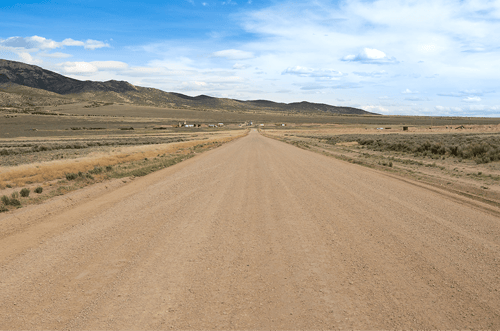
Rehabilitated Perma-Zyme treated road

The ISU study verified that enzyme application requires no specialized machinery to achieve improved results, suggesting cost savings over time with less equipment needed.

The enzyme treated sections showed less deterioration and migration than untreated sections, including the control section. This means less overall maintenance is needed on treated roads.

Learn More About the Study in Our Key Findings Guide

Download our guide to explore the methodology, freeze-thaw performance data, and key engineering findings.


Get The Guide

Return to top